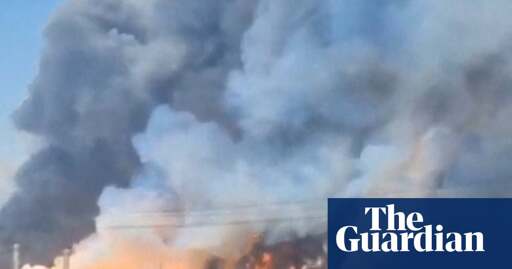
“Warnings that oil could reach $150 a barrel have resurfaced. Israel’s attack on Iran’s gasfields has prompted retaliatory strikes on facilities in Qatar. Europe in particular is reliant on LNG exports from Qatar, as countries have been weaning themselves off dependence on Russia.”
Streeter added: “The conflict is not only highly damaging for economies in the region, with tourism and business activity hit, but the knock-on effects of higher energy prices will have toxic repercussions worldwide.”
The big European airlines including Lufthansa on Thursday said fares would rise if the surge in fuel prices persisted for months. They urged passengers to book early, as the industry’s fuel hedging strategies start to unwind.
Thomas Pugh, the chief economist at the consulting firm RSM UK, said higher energy prices could cause so-called second-round inflationary effects, leading to higher wage and price setting. He said if energy prices were still this high into the summer, those second-round effects “could realistically push inflation towards 5%. At that point, interest rate hikes become much more likely” from the Bank of England.
Instead of rate cuts, money markets are now fully pricing in a quarter-point rise by July, which would take Bank rate back up to 4%.

 0·10 days ago